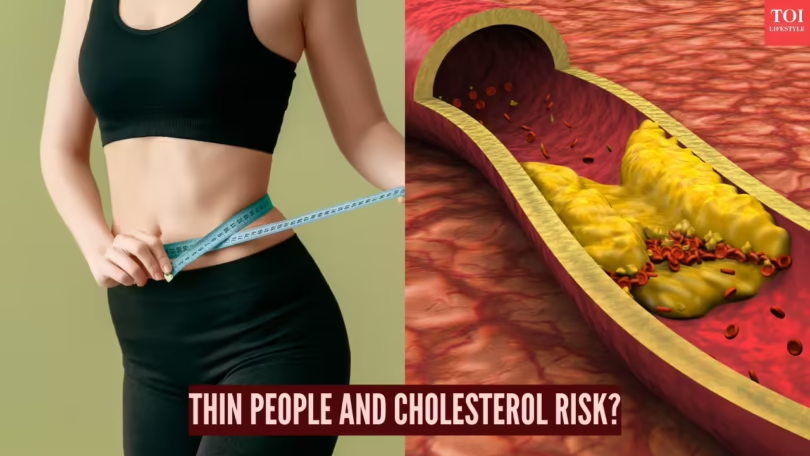

1. Thin Doesn’t Always Mean Healthy
Many people assume that being slim automatically indicates good health. However, health experts warn that even individuals with a thin body type can have elevated cholesterol levels, putting them at risk for serious cardiovascular issues.
2. Factors Beyond Weight
High cholesterol is influenced not just by body weight but also by diet, lack of exercise, stress, and genetic predispositions. Even those who appear fit externally may experience elevated cholesterol due to these factors.
3. Understanding LDL or ‘Bad’ Cholesterol
Doctors emphasize that high levels of LDL, commonly referred to as ‘bad cholesterol,’ can cause blockages in blood vessels. These blockages increase pressure on the heart, potentially leading to severe problems such as heart attacks.
4. Role of Diet and Lifestyle
Consuming excessive junk food, smoking, and alcohol intake are major contributors to high cholesterol. Diets high in saturated fats and trans fats can raise LDL levels and compromise heart health, regardless of a person’s weight.
5. Genetic Predisposition Matters
A family history of heart disease can also increase the likelihood of elevated cholesterol levels. Even if an individual maintains a healthy lifestyle, genetic factors may still make them vulnerable to cardiovascular issues.
6. Regular Health Screenings Are Essential
Experts strongly recommend regular health check-ups, including cholesterol testing, for everyone, not just those who are overweight. Early detection can help manage cholesterol levels and reduce the risk of heart disease.
7. Preventive Measures for Heart Health
To maintain healthy cholesterol levels, individuals should follow a balanced diet, engage in regular physical activity, manage stress, and avoid smoking and excessive alcohol. Awareness and proactive care can safeguard heart health for people of all body types.






Leave a Comment